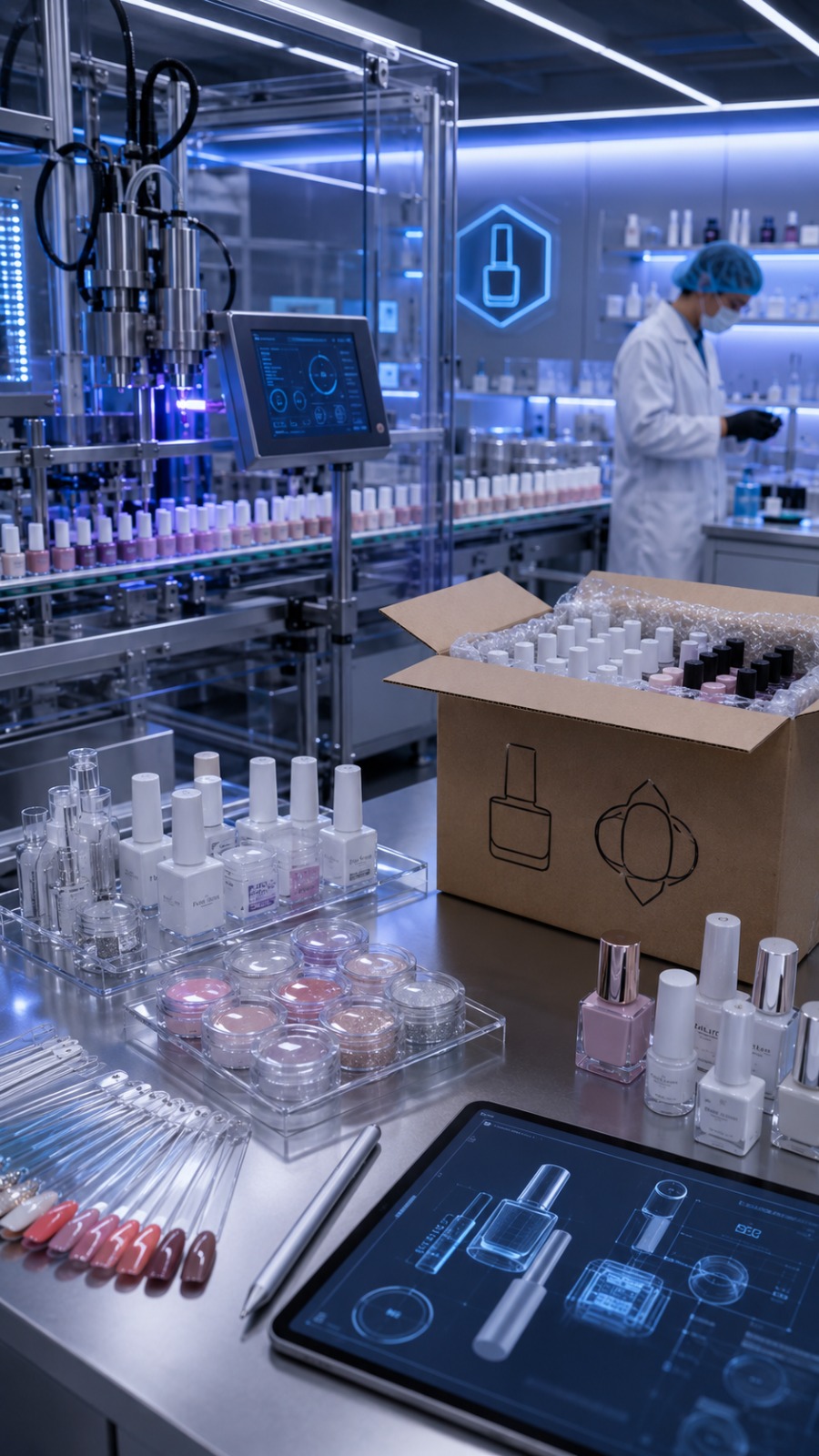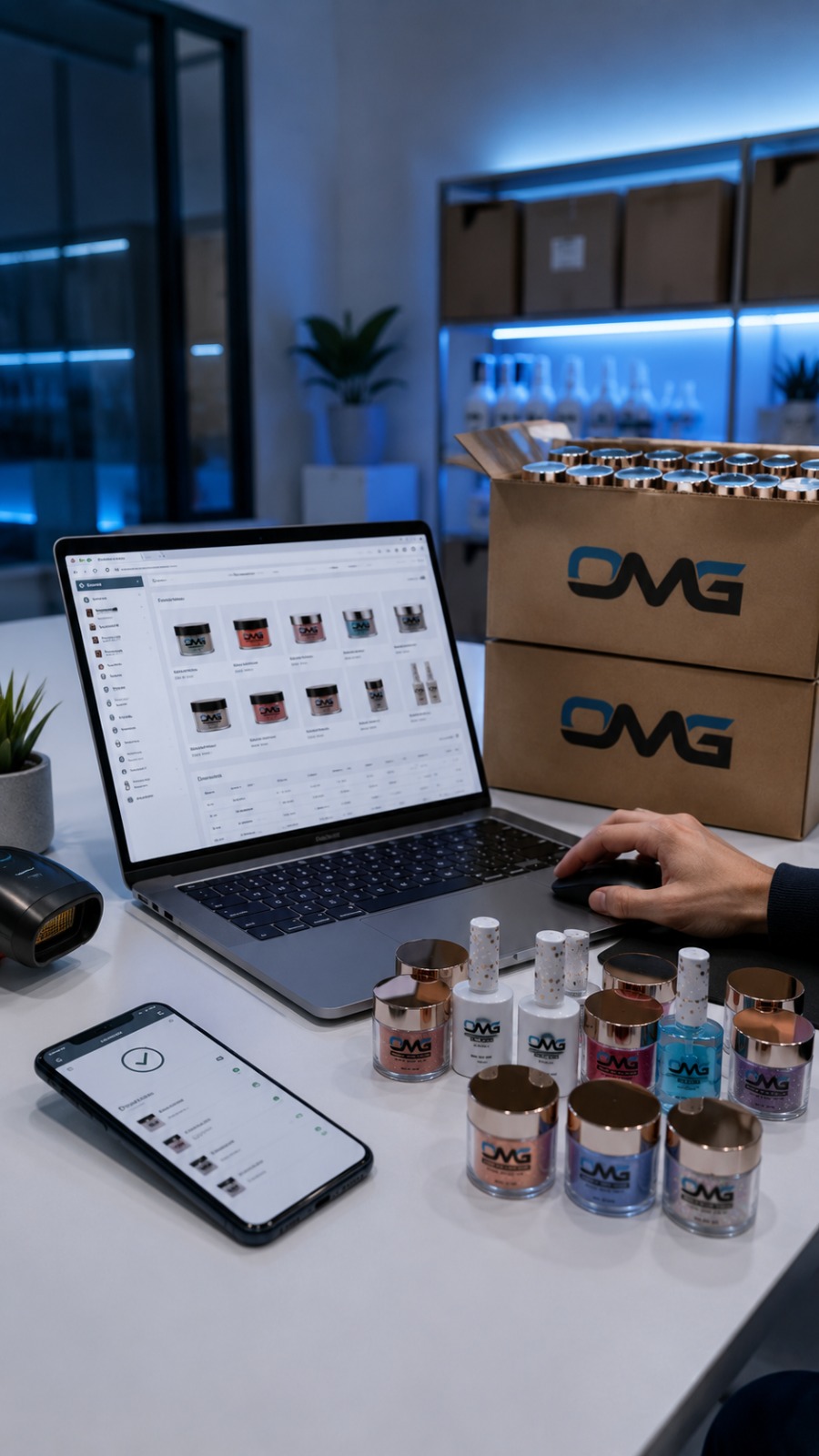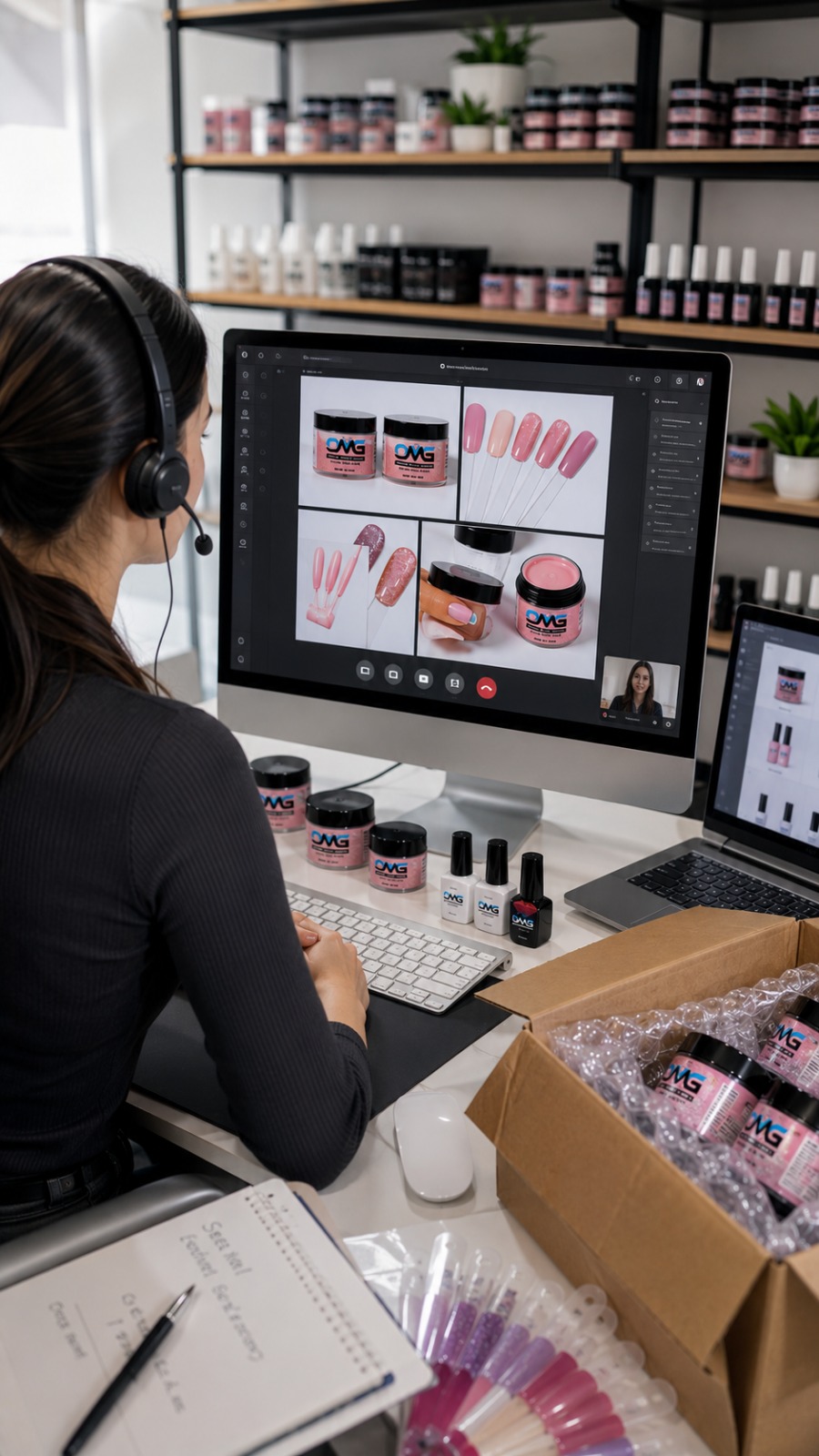

Building your own professional nail brand can create opportunities for distributors, beauty retailers, salon groups, and entrepreneurs looking to establish a distinct position in the nail industry.
However, launching a successful brand involves more than adding a logo to a product. Businesses need to select the right product categories, define their target customers, choose an appropriate assortment, coordinate packaging, and plan for repeat supply.
This is where private label nail products can provide a practical route to market. Instead of developing every formula from scratch, a business can work with a manufacturer offering established products and build its own brand around the selected range.
The objective is to create a professional product line that fits the market, supports customer demand, and can expand as the business grows.
1. Define Your Nail Brand's Positioning
Before selecting products, establish what your brand will represent.
Your positioning should explain who your products are for, what needs they address, and how your range will stand apart from competing products.
For example, your business may focus on professional salon accounts, independent nail technicians, beauty distributors, or retailers supplying professional nail products.
Each audience may require a different assortment, purchasing structure, and product presentation.
Start by answering these questions:
- Who will purchase your products?
- Which professional nail categories will you offer?
- What price positioning suits your target market?
- Will you sell directly, through distributors, or through both?
- What will make customers choose your brand again?
Clear positioning helps prevent a common mistake: launching a large product catalogue before understanding which products your customers actually need.
2. Choose the Right Product Categories
Your product range should reflect your business model and customer requirements.
Rather than launching every available category immediately, consider starting with a focused selection and expanding as demand becomes clearer.
Dip and Acrylic Powder
Dip and acrylic products can form the foundation of a professional nail range. Businesses can select an assortment of shades and formats suited to their intended customers.
Gel Products
Gel products can extend the range and help businesses serve professional accounts looking for additional product options.
Matching Lacquer
Coordinated lacquer can complement a gel range and create a more consistent colour offering across different product formats.
Bulk Formats
Larger formats may be appropriate for high-usage accounts that regularly replenish particular products or shades.
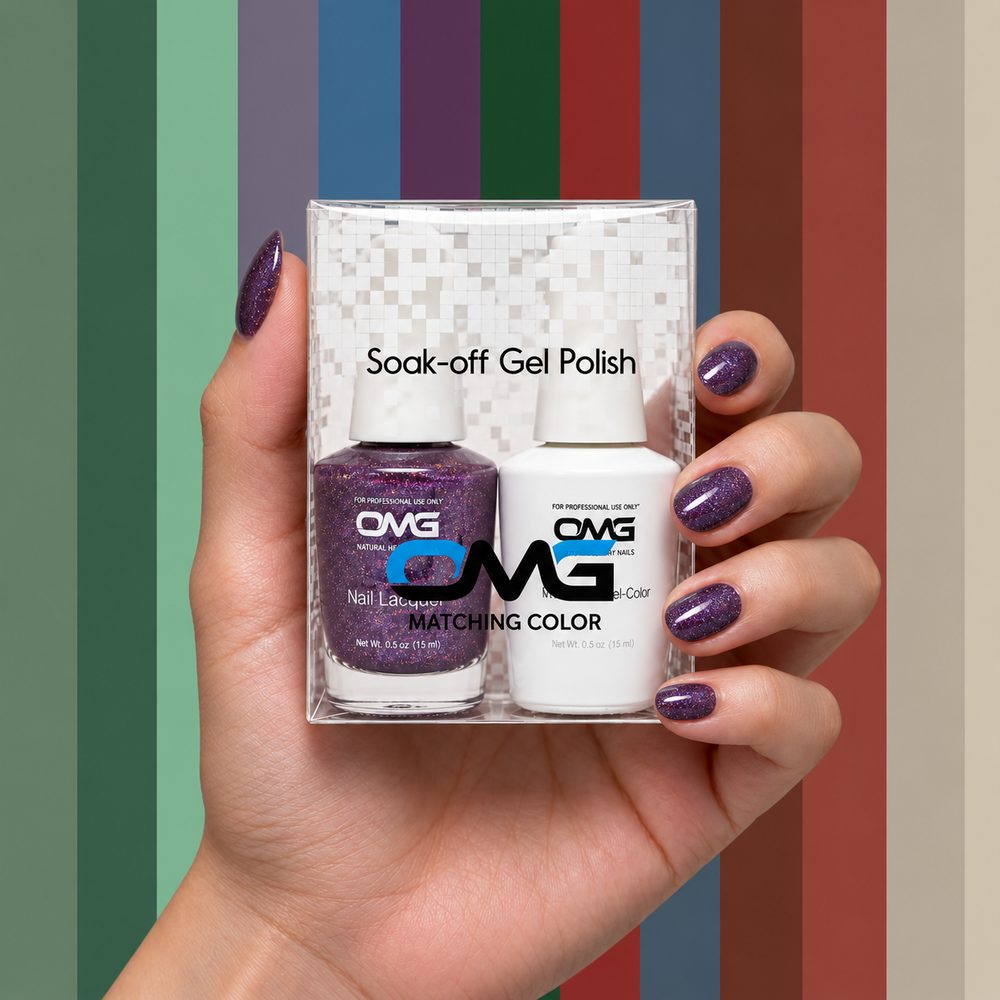
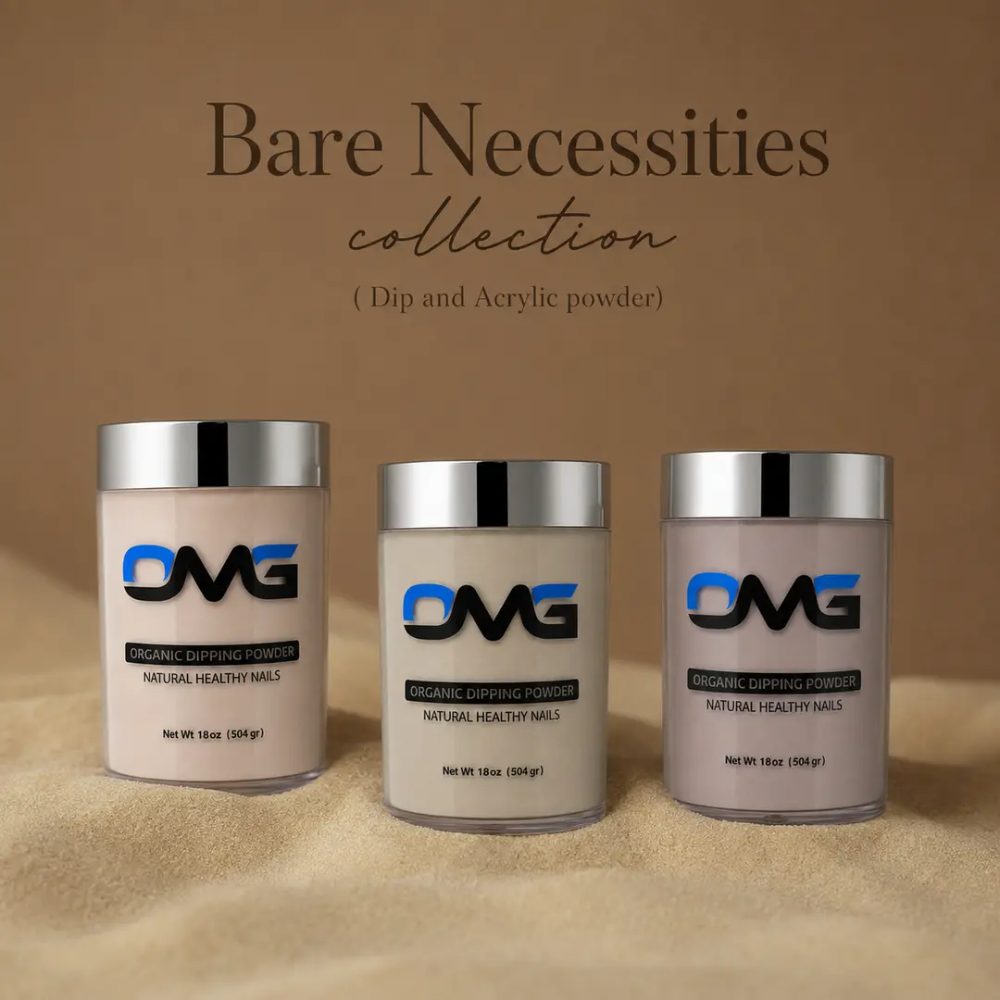
OMG's private label program lists dip and acrylic powder, soak-off gel, lacquer, and 504g bulk formats among its available options. The appropriate selection depends on the planned assortment and program requirements.
3. Select an Assortment That Fits Your Market
A broad catalogue can provide choice, but launching every available shade may not be the best starting point.
A focused assortment can make it easier to manage inventory, evaluate customer demand, and identify which products deserve further investment.
Consider organizing your initial range around:
- Core shades relevant to your customers.
- Product formats suited to their professional services.
- Complementary products that strengthen the assortment.
- Replenishment options for products with recurring demand.
- Additional shades to introduce as demand develops.
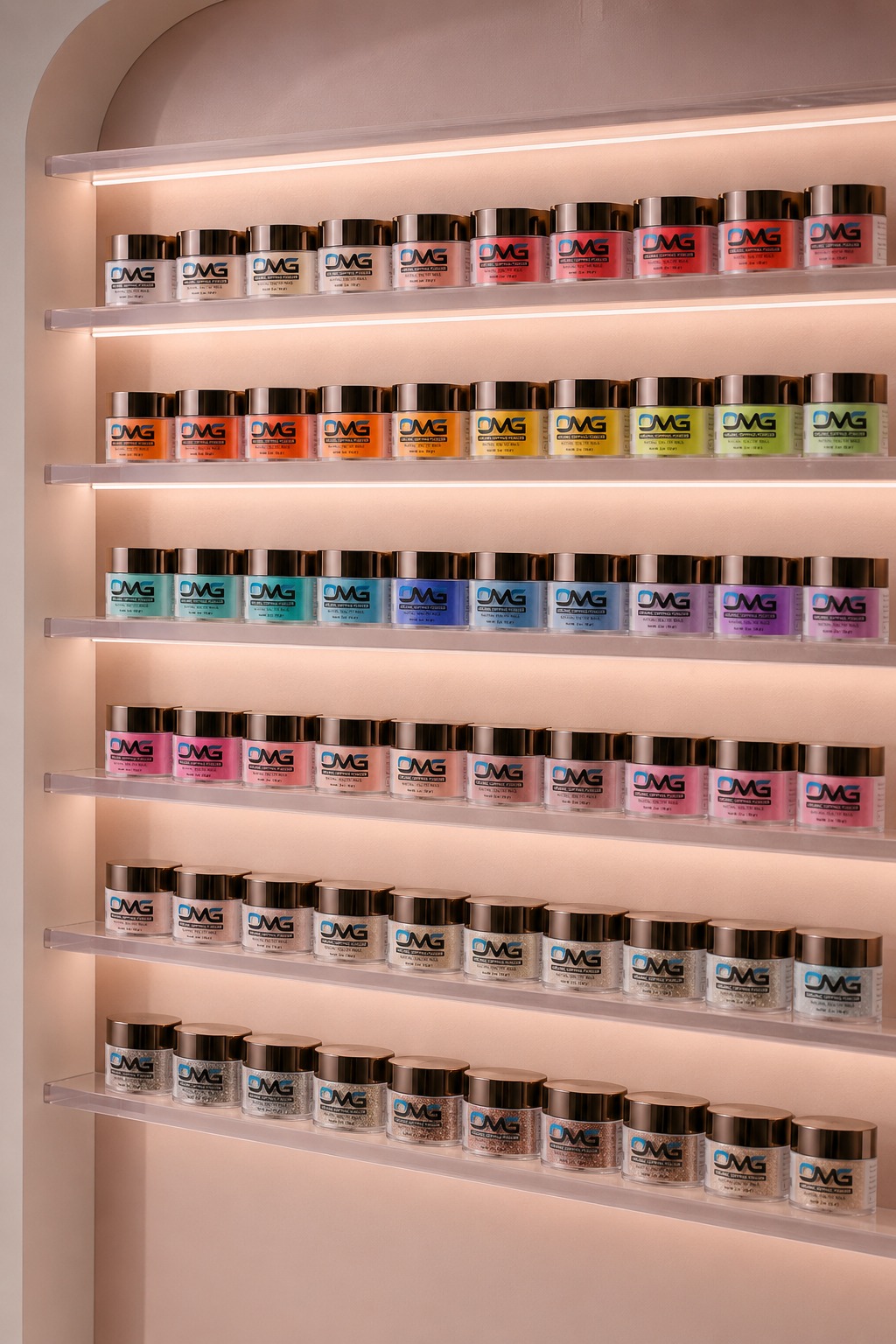
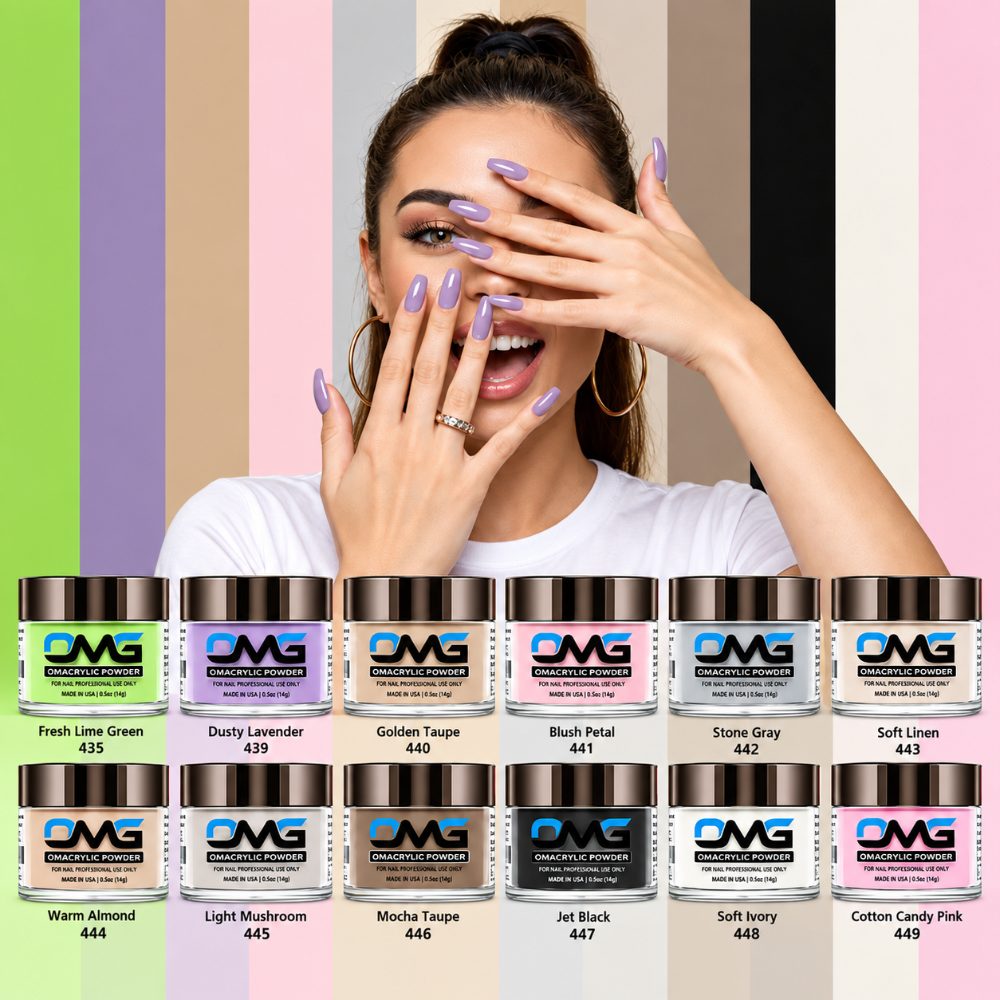
OMG's private label offering includes more than 900 professional shades to select from. This gives businesses room to create an assortment suited to their market rather than automatically committing to the entire catalogue.
The right opening assortment is the one that fits your customers, available resources, and expected demand.
4. Work With a Suitable Private Label Manufacturer
The manufacturer you choose will influence how efficiently you can develop, launch, and replenish your range.
Look beyond the initial quotation. Evaluate the manufacturer's product options, communication, packaging capabilities, sample-approval process, and approach to repeat production.
Before proceeding, clarify:
- Which existing formulas are available?
- Which product formats can be branded?
- What are the minimum order quantities?
- What artwork and packaging specifications are required?
- How are samples approved?
- What are the estimated production lead times?
- How are repeat orders managed?
A reliable process should make expectations clear before production begins.
OMG's private label process includes selecting the range, submitting label and carton artwork, approving a labelled production sample, and proceeding to launch and replenishment. Commercial details such as minimums and lead times are confirmed for the selected assortment.
5. Develop Packaging That Creates a Consistent Brand Identity
Packaging is one of the most visible elements of a private label product line.
Your products should look like they belong to the same brand, even when they cover different categories or formats.
Develop a consistent visual system for:
- Logo placement and size.
- Typography and colour palette.
- Label hierarchy and product naming.
- Packaging layouts across jars and bottles.
- Cartons and other applicable packaging.
- Shade identification and product information.
Consistency matters particularly when your range includes multiple products. A coordinated appearance can help customers recognize the brand and navigate the assortment.
However, packaging artwork must also fit the actual product formats. Confirm the available dimensions and specifications with the manufacturer before finalizing artwork.
OMG's private label program supports label and carton artwork across selected jars, bottles, and cartons, with sample approval before the production run is committed.
6. Approve Samples Before Committing to Production
A sample-approval stage helps you evaluate the proposed product and packaging before moving forward with a full production run.
Review the sample against the agreed requirements rather than relying solely on digital artwork or product descriptions.
Depending on the product, your review may include:
- Shade appearance and consistency with the approved reference.
- Product application and expected performance.
- Packaging fit and finish.
- Label accuracy and legibility.
- Product identification and presentation.
- Compliance with agreed specifications and documentation.
For customized requirements, record the approved specifications clearly so they can guide subsequent production.
7. Plan Your Launch Around Customer Demand
A successful launch requires more than making products available.
Prepare a clear plan for how the range will reach its intended customers.
For a B2B nail brand, this may include:
- A product catalogue with clear product identifiers.
- Shade references and product-format information.
- Pricing and ordering details for target accounts.
- Product samples or demonstrations where appropriate.
- Outreach to salons, distributors, and professional retailers.
- A process for collecting feedback and tracking demand.
Begin with a focused launch rather than assuming that every product will perform equally well.
Use customer feedback and actual order data to identify which categories and shades deserve further attention.
8. Build Reordering Into Your Business Model
The first order is the beginning of the commercial relationship, not its final objective.
As customers use your products, some shades and formats may develop more consistent demand than others. Your supply plan should make it possible to replenish successful products and adjust the assortment based on purchasing patterns.
A practical approach is to:
- Step 1: Launch a focused product range.
- Step 2: Track sales and customer requests.
- Step 3: Identify products with repeat demand.
- Step 4: Replenish successful products.
- Step 5: Expand the assortment where evidence supports it.
OMG's private label program is designed to support launch and refill on the same selected assortment as accounts reorder.
This is why reorder planning should be part of product selection from the beginning, rather than something considered only after the first launch.
9. Consider Exclusivity and Future Expansion
As your brand develops, you may want to explore territory or account exclusivity, a broader shade assortment, or custom product development.
These possibilities should be discussed early with the manufacturer because they can affect commercial terms, minimum volumes, and product-development requirements.
OMG states that territory and account exclusivity are available by agreement within its private label program. The specific terms should be confirmed before committing to the program.
If your business eventually needs products developed to more specific formulation requirements, OEM manufacturing may also be worth evaluating. Private label and OEM are different approaches, so determine which one best fits your product strategy.
Conclusion
Building a professional nail brand requires a clear market position, a focused product assortment, coordinated packaging, an appropriate manufacturing partner, and a plan for repeat supply.
Private label nail products can provide a practical way to establish your brand using existing formulas while you concentrate on customer relationships, product selection, and market development.
Start with the products your customers need, approve your samples carefully, and expand based on real demand.
Frequently asked questions
What are private label nail products?
Private label nail products are products manufactured using established formulas and sold under a business's own brand name, subject to the agreed manufacturing and branding terms.
How do I start my own private label nail brand?
Define your target market, select product categories and shades, choose a suitable manufacturer, develop packaging artwork, approve samples, and plan your launch and replenishment process.
What products can be included in a private label nail range?
Depending on the manufacturer's offering, a range may include dip and acrylic powder, gel products, matching lacquer, and bulk formats. Availability should be confirmed for the selected program.
How many shades should I launch with?
Choose a focused assortment based on your target customers, budget, and expected demand. Expand the range as sales and reorder data reveal which shades perform well.
Can private label nail products be customized?
Private label programs typically allow branding and assortment selection within the manufacturer's available system. Custom formulation requirements may need a separate OEM program.