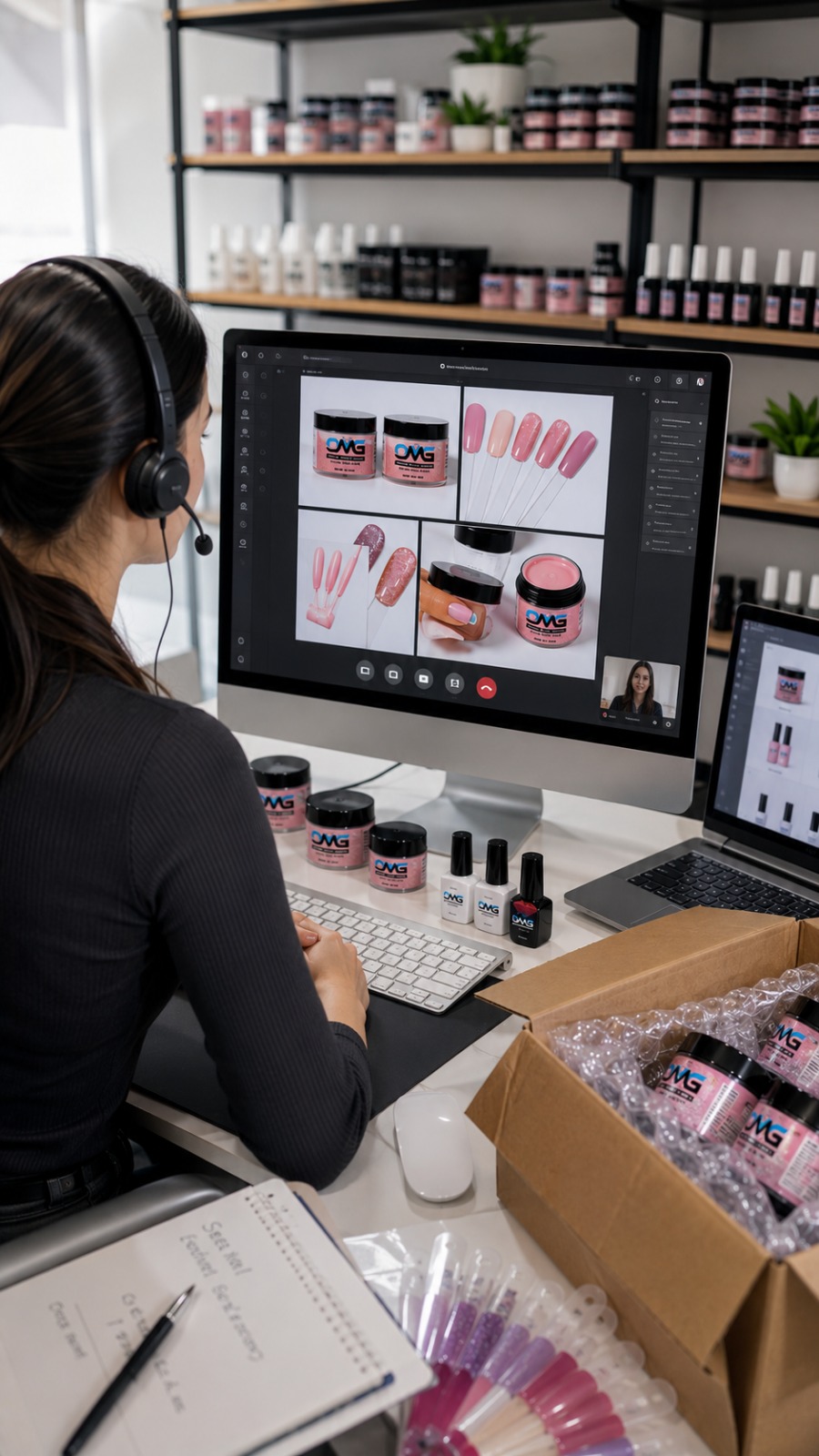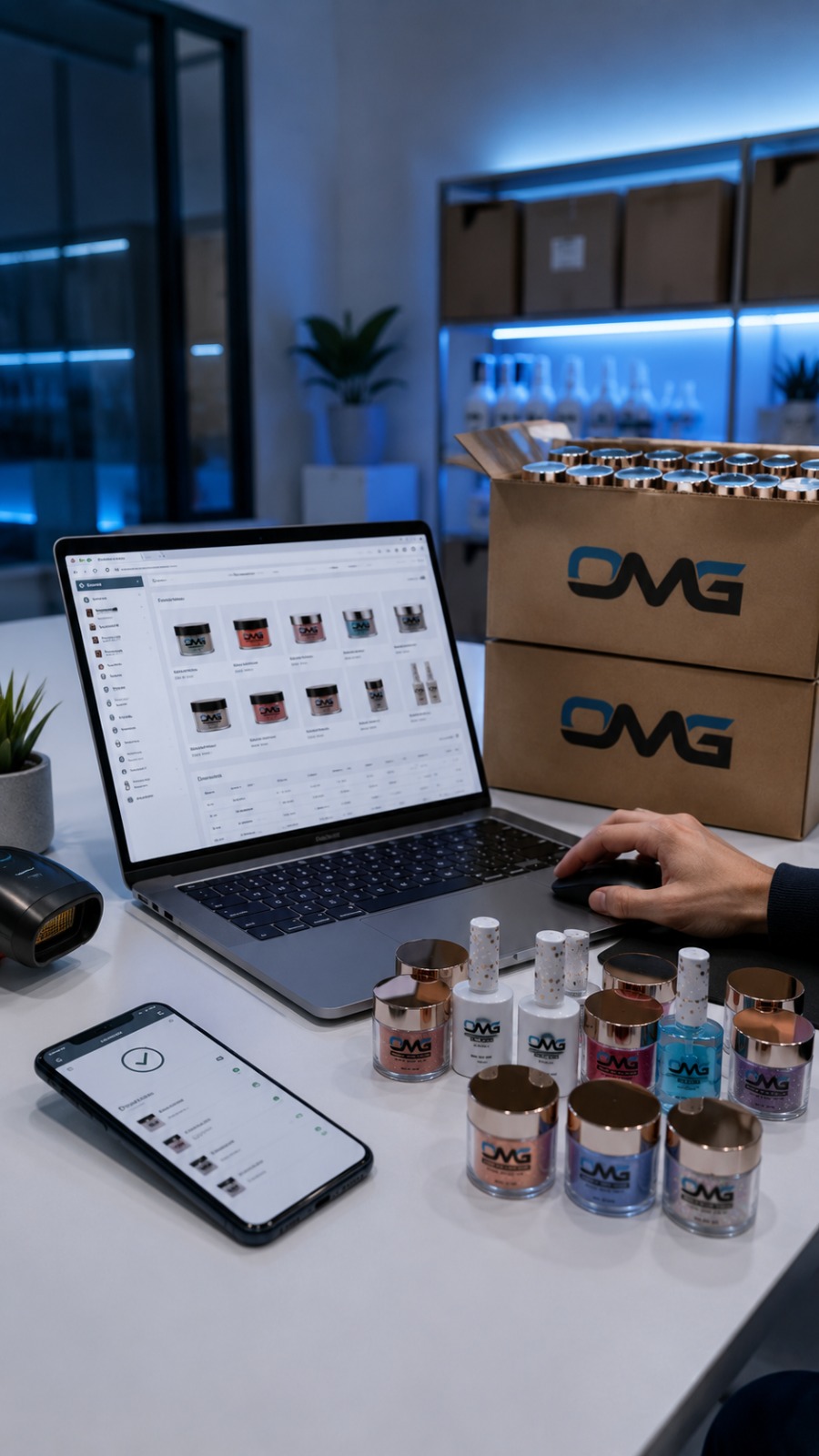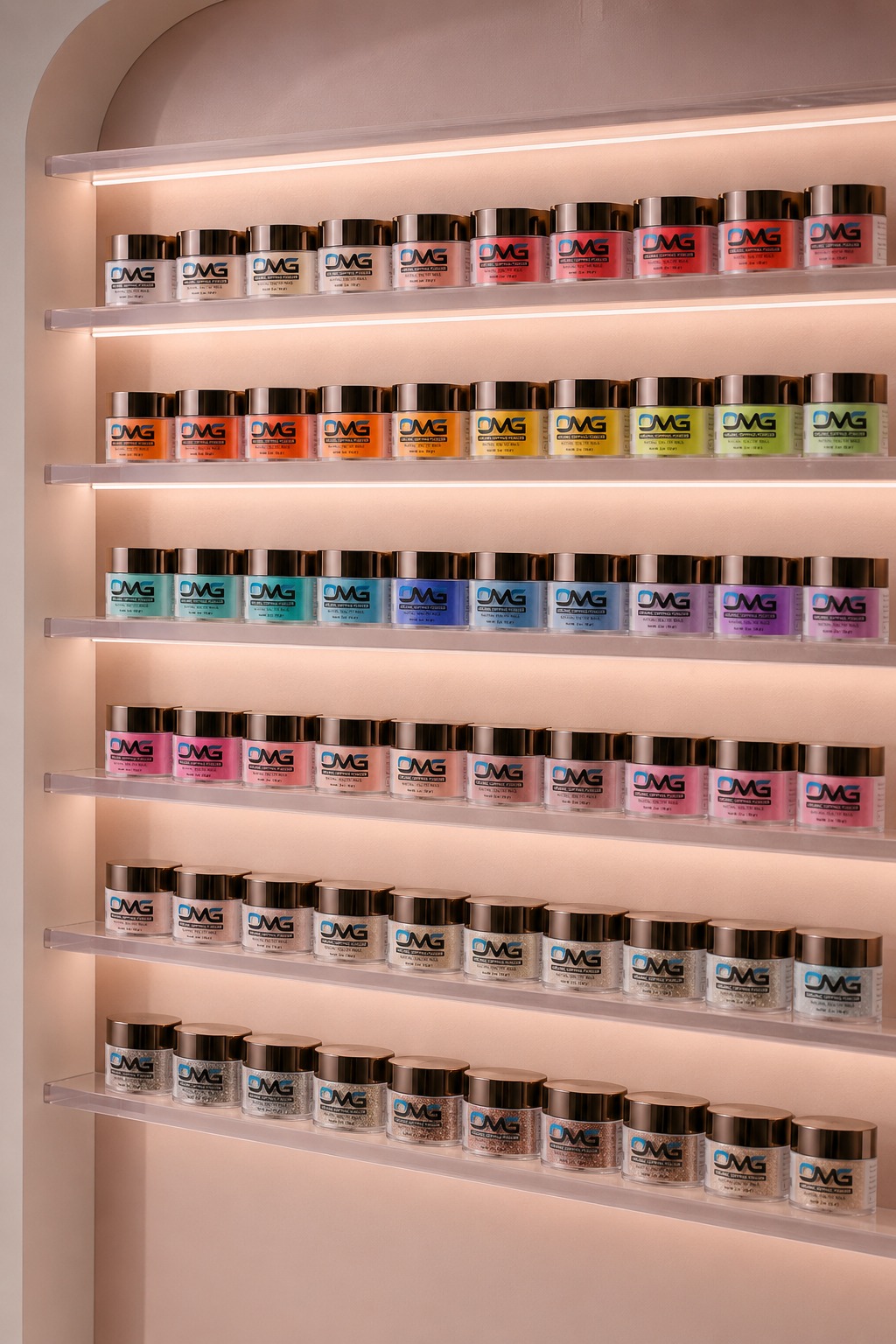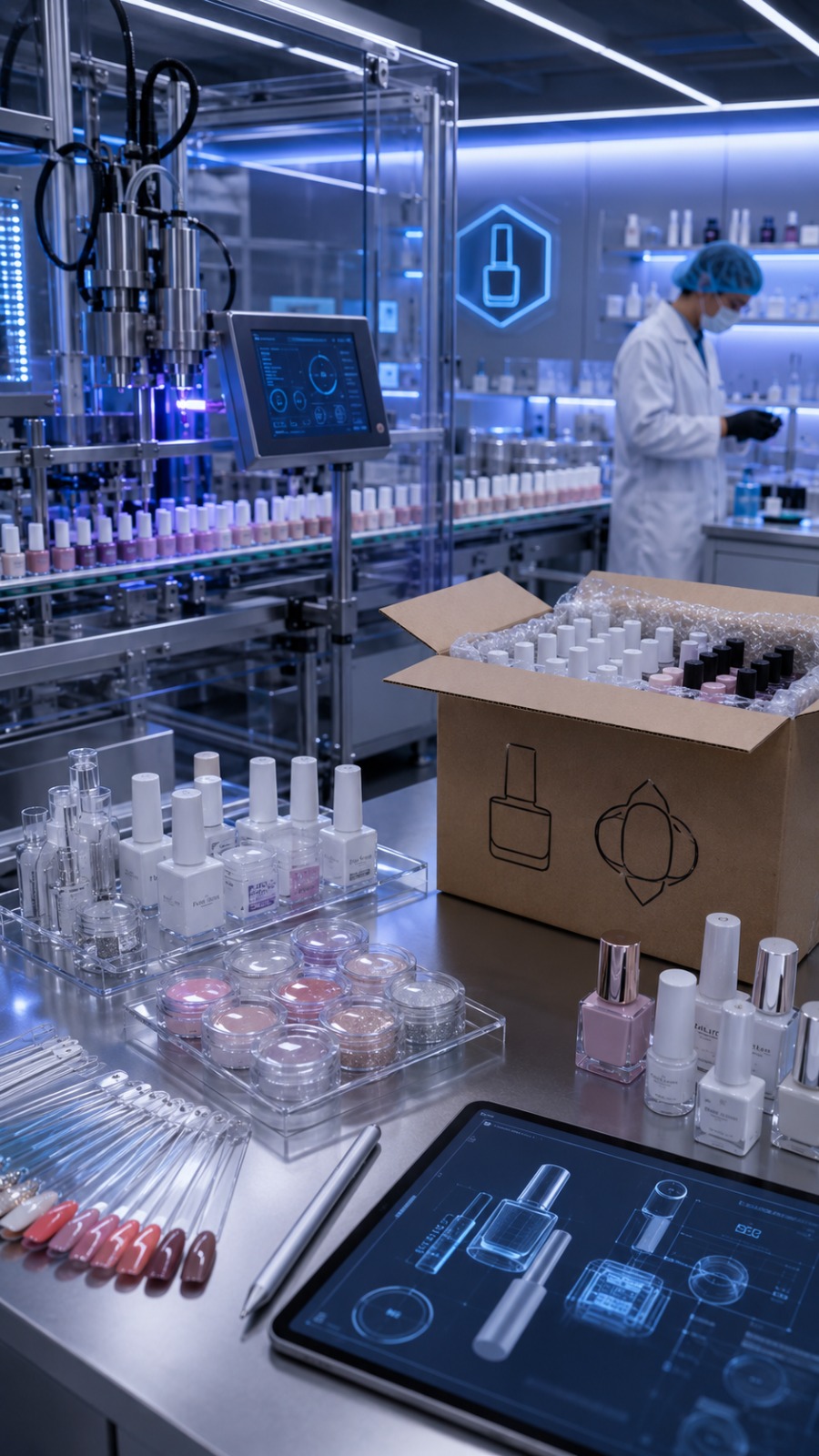

Building a professional nail brand involves more than selecting colours and designing packaging. Businesses must decide how their products will be developed, manufactured, branded, and supplied as demand grows.
Two common approaches are OEM manufacturing and private label. Both can help businesses develop products under their own brand names, but they differ in the level of customization, development process, and control over product specifications.
Choosing the right model depends on your business objectives. A distributor looking to launch a house brand may have different priorities from an established nail company that wants a specific formula or performance profile.
Understanding these differences can help you select a manufacturing model that fits your product strategy, resources, and long-term plans.
What Is Private Label Nail Manufacturing?
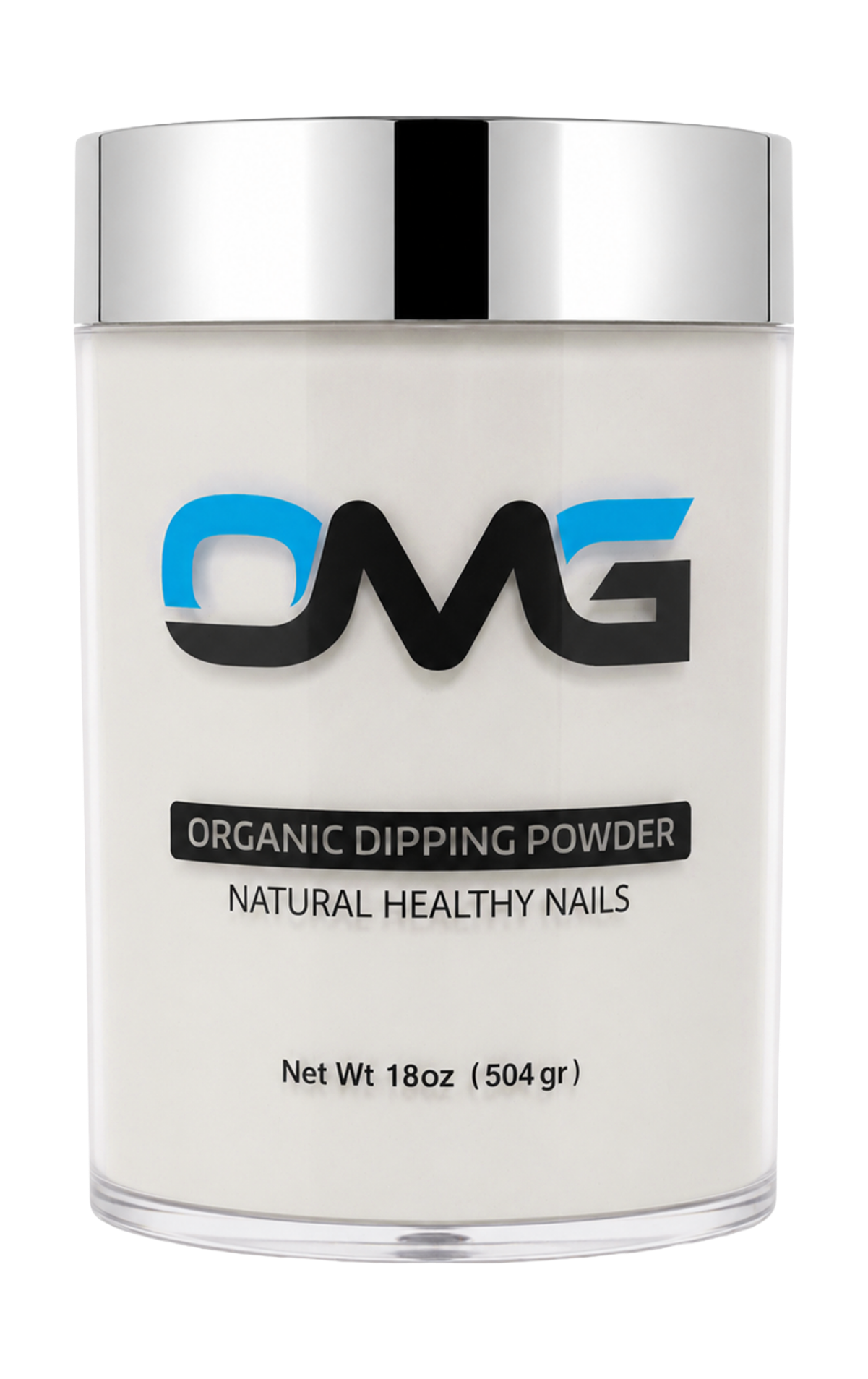
Private label nail manufacturing allows a business to sell products under its own brand using an existing product formula.
Instead of developing a new formula from the beginning, the business selects products from an established range and applies its own branding to the agreed formats.
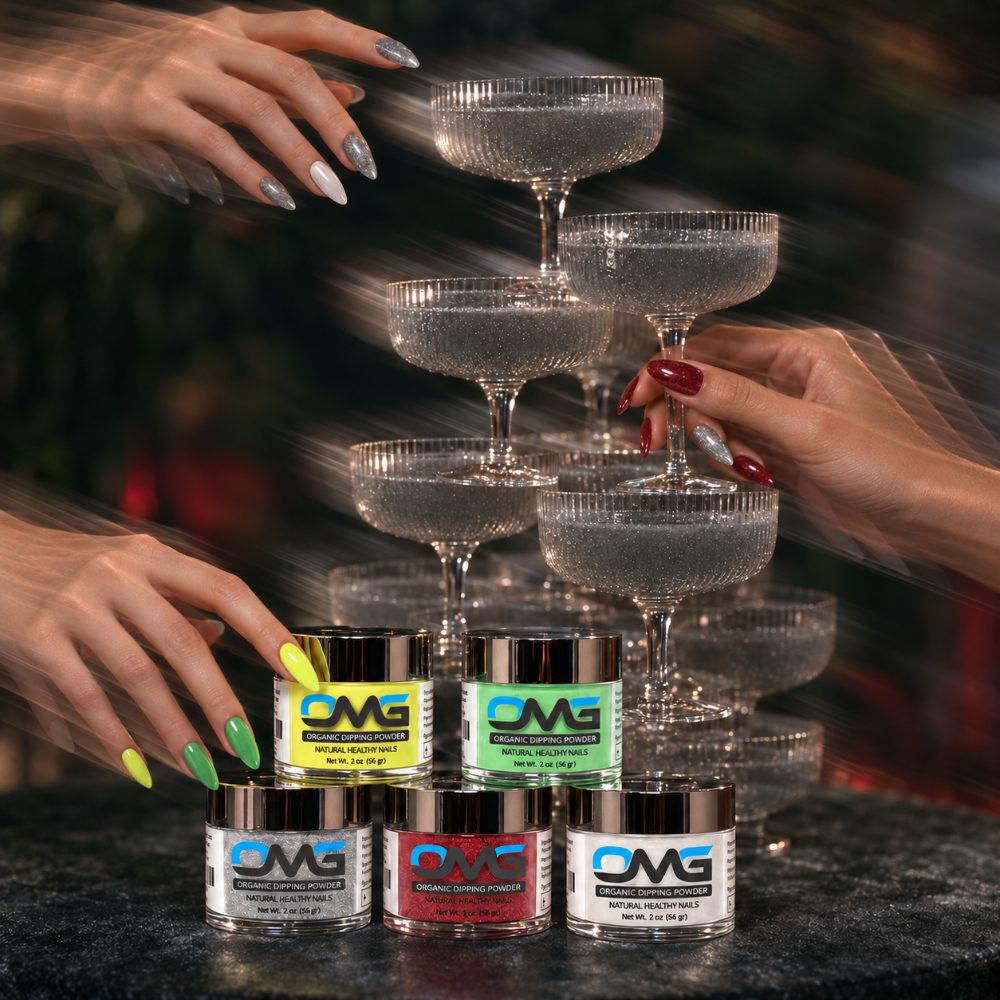
For example, a distributor may choose a selection of dip and acrylic powders, gel products, and complementary shades to create a professional nail range under its own brand name.
The manufacturer supports production, while the business develops its identity, selects its assortment, and sells to its target market.
When Is Private Label the Right Choice?
Private label can be suitable for businesses that:
- Want to introduce their own branded nail products.
- Prefer established formulas over a new development process.
- Need a structured product assortment.
- Want to select shades and formats for their market.
- Plan to build a house brand alongside existing wholesale products.
- Want a pathway from launch orders to repeat supply.
The main advantage is that the business can focus on building its brand and customer base without making custom formulation the starting point.
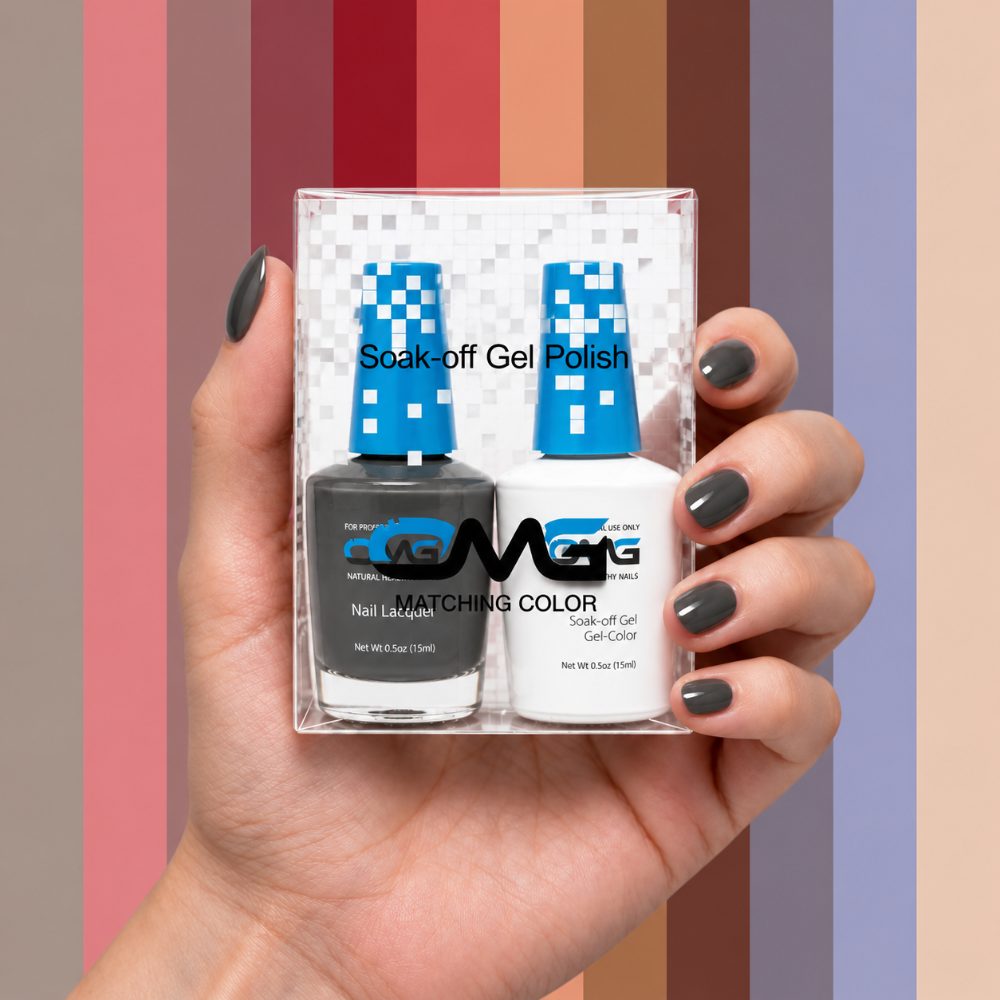
OMG's private label program uses established formulas and offers shade selection, label and carton artwork, sample approval, and ongoing replenishment on the selected assortment.
What Is OEM Nail Manufacturing?
OEM, or original equipment manufacturing, is suited to businesses that want products developed according to their own specifications.
In this model, the manufacturer works from a product brief that defines the desired characteristics. Depending on the product, this may include the formula, shade direction, finish, viscosity, application feel, cure behaviour, packaging, and other specifications.
The objective is to create a product that reflects the brand's defined requirements rather than simply applying a brand label to an existing formula.
When Is OEM the Right Choice?
OEM may be suitable for businesses that:
- Need a specific product formula or performance profile.
- Want a distinctive shade library.
- Have technical requirements beyond an existing product range.
- Need custom packaging or product decoration.
- Have a defined product-development strategy.
- Are prepared for sampling, testing, approval, and production planning.
OEM gives businesses greater involvement in product development, but the additional customization can require more time and coordination.
OMG's OEM program includes custom formulation, shade development, packaging and decoration, sampling, specification approval, and volume production. Exact requirements, minimum order quantities, lead times, and ownership or exclusivity terms depend on the agreed program.
OEM vs. Private Label: What Is the Difference?
| Factor | Private Label | OEM |
|---|---|---|
| Formula | Existing, proven formula | Developed to agreed specifications |
| Customization | Brand, shade assortment and selected formats | Formula, shade direction, packaging and product specifications |
| Development process | Generally more direct | More specification and sampling work |
| Best suited for | Businesses prioritizing branded-market entry | Businesses requiring a more customized product |
| Product identity | Your brand on an established product system | Your brand built around specified product requirements |
| Key consideration | Assortment, branding and reorder planning | Technical brief, testing, approvals and production requirements |
Neither model is automatically better. The right choice depends on what differentiates your brand and what your customers expect from the products.
5 Factors to Consider Before Choosing a Model
1. Define Your Brand's Differentiator
Start by identifying what makes your business different.
If your competitive advantage comes from your customer relationships, distribution network, brand identity, and carefully selected product assortment, private label may be a practical starting point.
If the formula or performance characteristics themselves are central to your positioning, OEM may be more appropriate.
The key question is whether your brand needs a distinctive product specification or a distinctive brand experience built around an established product system.
2. Evaluate Your Product Requirements
List the products you want to launch and identify which characteristics must be customized.
Consider:
- Product category and format
- Shade selection or matching requirements
- Formula and performance expectations
- Packaging and decoration
- Required product documentation
- Expected order volumes
If your requirements can be met by an existing formula, private label may be sufficient. If important requirements cannot be met by the available range, discuss an OEM brief with the manufacturer.
3. Plan Your Initial Assortment
Launching every possible shade at once can tie up capital in products that may not sell equally well.
Instead, develop a focused assortment based on your target customers and market.
A practical plan may include core shades and product formats first, followed by range expansion as purchasing data reveals which products customers reorder.
OMG's private label information recommends selecting a core assortment and widening it as reorder data identifies what sells in the relevant market.
4. Understand Costs, Minimums and Lead Times
Do not compare manufacturing models on unit price alone.
Ask each manufacturer about:
- Minimum order quantities by format
- Development and sampling costs
- Packaging requirements
- Per-unit pricing at expected volumes
- Production lead times
- Reorder minimums
- Formula ownership and exclusivity terms, where relevant
Private label may avoid a custom formulation cycle, but the total cost still depends on the assortment, packaging, and volume. OEM requirements can vary more significantly according to customization.
Request a written quotation that clearly separates confirmed costs from estimates.
5. Plan for Reorders Before Launch
Your first production run is only one stage of the product lifecycle.
Before approving an assortment, consider how the business will replenish successful products and maintain consistency across repeat runs.
Ask about sample approval, specifications, shade identification, repeat-production controls, and how changes to a product would be managed.
A launch plan should account for both the first order and the next one.
Can a Business Start With Private Label and Move to OEM?
A business can evaluate private label and OEM at different stages, provided the proposed product requirements and commercial terms are agreed with the manufacturer.
For example, a distributor may first establish a house brand using existing formulas. As the business learns more about its customers, it may identify a need for a differentiated formula or specific performance requirements.
That can create a reason to explore OEM development.
However, moving between models does not automatically mean the same formula, packaging, ownership rights, or production terms will carry over. These details must be confirmed in the relevant agreement.
OMG presents private label and OEM as distinct routes: private label uses established formulas, while OEM is built around a customer's product specifications.
How to Choose the Right Manufacturing Partner
Once you know which model fits your goals, evaluate the manufacturer carefully.
Look for clear communication, transparent quotations, a defined sample-approval process, realistic production timelines, appropriate documentation, and a practical approach to repeat orders.
Ask the manufacturer to explain which requirements are included, which require separate approval, and which terms will be covered by the final agreement.
For private label, pay particular attention to assortment selection, artwork approval, and replenishment. For OEM, clarify the technical brief, sample revisions, specification approval, and ownership or exclusivity terms.
Conclusion
The decision between OEM and private label starts with one question: does your brand need a customized product, or does it need its own identity on an established product system?
Private label can provide a more direct route to launching a branded nail range. OEM is more suitable when product specifications and customization are central to the brand's differentiation.
Define your requirements, understand the commercial terms, and plan for repeat production before committing to either model.
Frequently asked questions
What is the difference between OEM and private label nail products?
Private label places your brand on established formulas, while OEM develops products according to your agreed specifications. OEM generally involves more customization and development work.
Is private label nail manufacturing suitable for new brands?
It can be suitable for new brands that want to launch products using established formulas while focusing on branding, assortment selection, and customer development.
When should a nail brand choose OEM manufacturing?
OEM is worth exploring when a brand needs specific formulation, shade, finish, application, or other product requirements that go beyond an existing product range.
Does OEM manufacturing require higher minimum order quantities?
OEM minimums depend on the product format and degree of customization. Businesses should request a quotation that confirms the minimum quantities and lead times for their specific program.
Can a private label nail brand later develop custom products?
A brand can explore OEM development as its requirements evolve. The manufacturer must confirm the feasibility, development process, ownership terms, minimums, and production schedule for the proposed products.