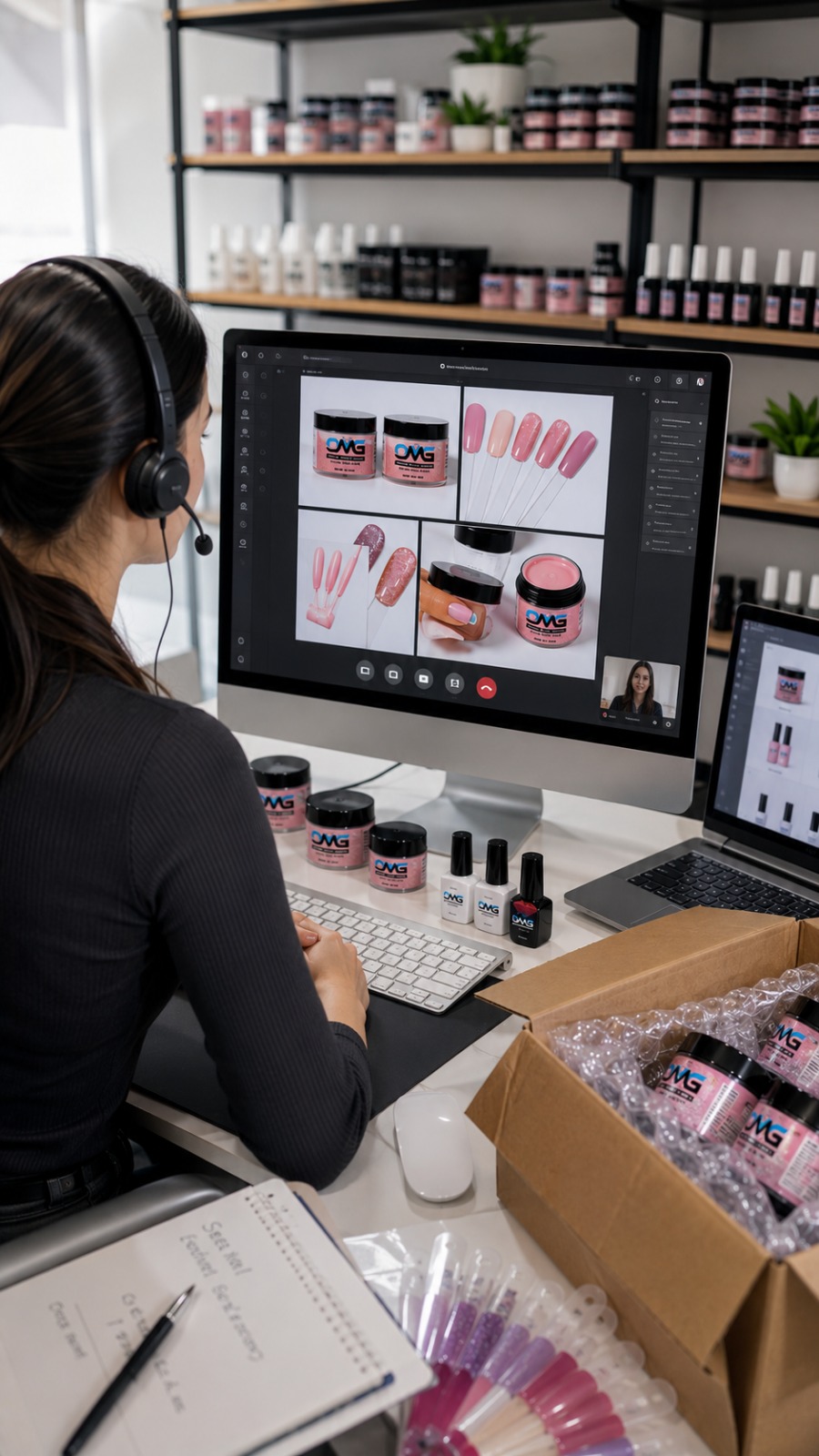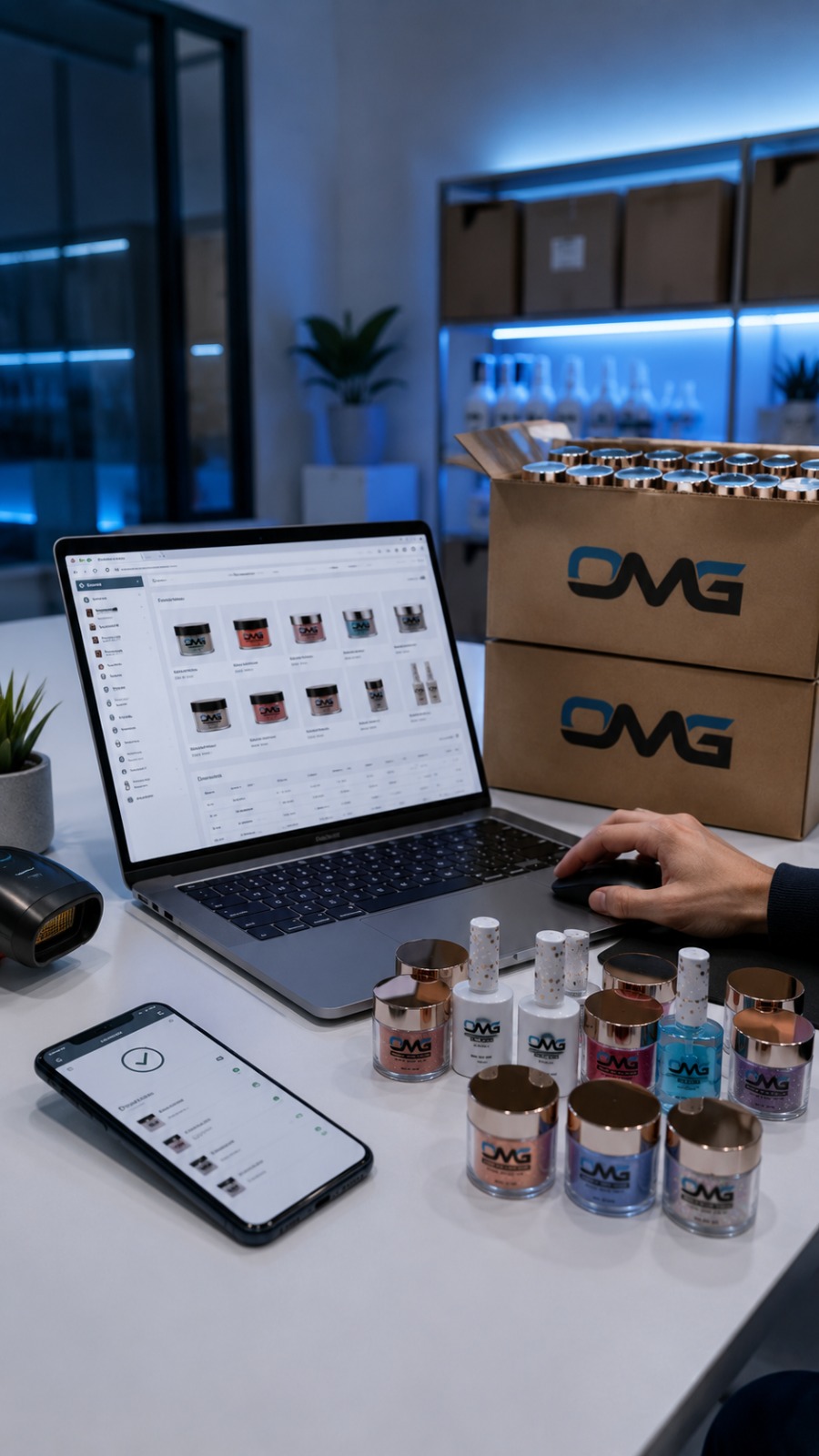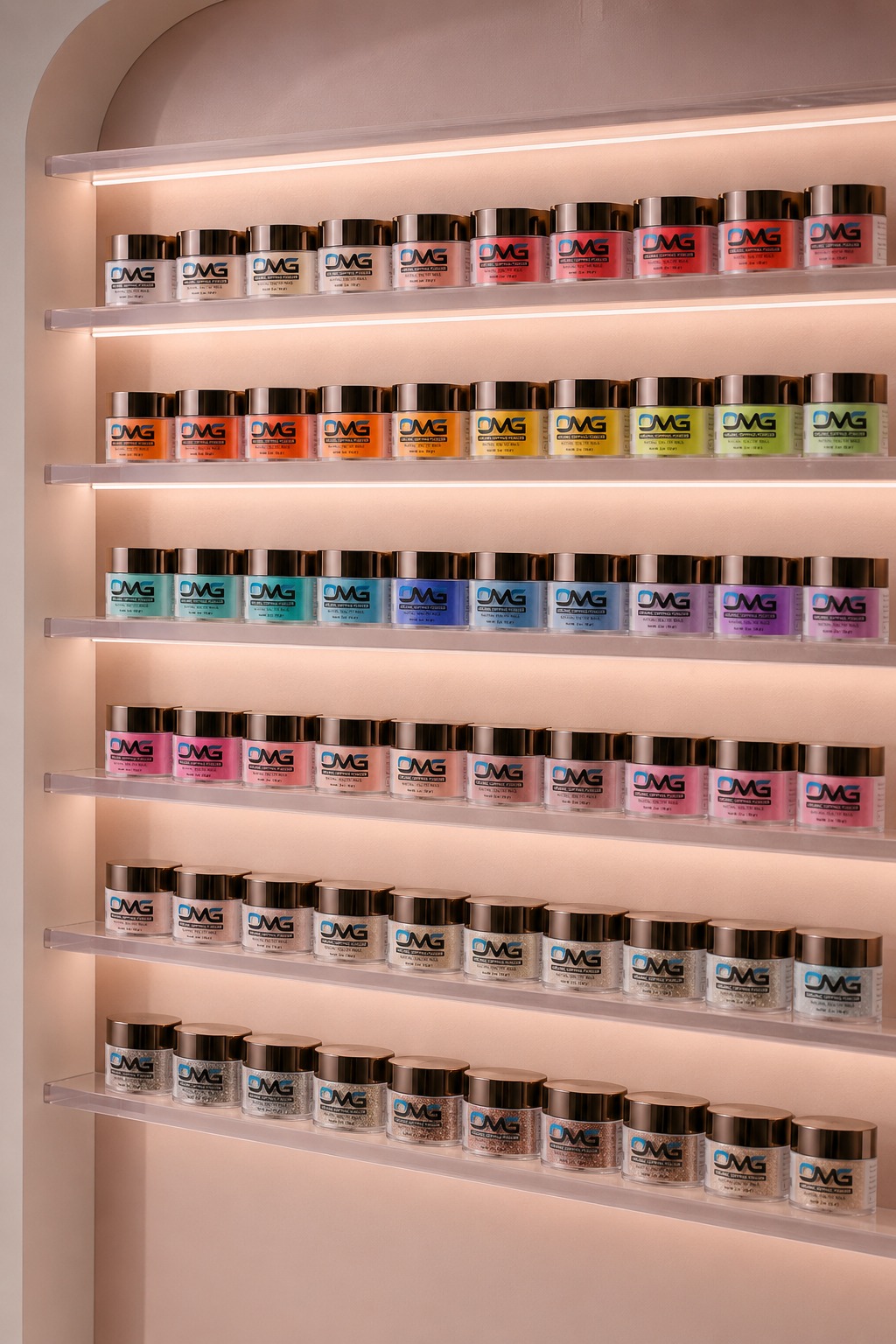

Wholesale nail supply is not simply about buying more products at a lower price. For distributors, salon groups, beauty retailers, and professional nail businesses, the bigger opportunity is building a product range that customers can understand, use, reorder, and expand over time.
A successful wholesale range should answer three questions:
- What should customers buy first?
- What will they need next?
- How easily can they reorder it?
The answers influence everything from product assortment and shade selection to inventory planning and bulk purchasing.
OMG Professional Nail Products' wholesale offering is structured around professional supply, with 900+ products, 600+ dip and acrylic shades, 200+ gel shades, and larger 504g bulk formats. Its wholesale model also emphasizes opening assortments and refill purchasing.
Wholesale Is About Reorders, Not Just Opening Orders
An opening order gets a product range onto a shelf.
A reorder tells you that the range is working.
For a distributor or professional supplier, the goal should therefore be to build an assortment that creates a clear path from initial purchase to repeat purchasing.
A practical wholesale journey can look like this:
Core Assortment → Customer Adoption → Repeat Demand → Refill → Bulk Supply
When products are organized around this journey, businesses can make more informed decisions about which products to introduce, which shades to expand, and when to move into larger formats.
Start With a Core Product Assortment
A large catalogue does not automatically create a strong wholesale range.
Starting with a focused core assortment can make it easier for customers to understand the product offering.
A core assortment can include:
- Essential dip and acrylic products
- Popular professional gel products
- Coordinated lacquer options
- A focused selection of shades
- Products suitable for repeat purchasing
- Larger formats for established demand
The goal is to create a range that is broad enough to serve customers but structured enough to manage.
As customer demand becomes clearer, additional products and shades can be added.
Build Depth Across Professional Nail Categories
A strong wholesale nail supply strategy should consider how different product categories work together.
Dip and Acrylic
Dip and acrylic products can form a substantial part of a professional nail range, particularly when businesses require multiple colours and formats.
OMG currently lists more than 600 dip and acrylic shades within its professional product range.
Gel
Gel adds another important category for professional accounts. OMG's current range includes more than 200 gel shades.
Matching Lacquer
Matching products can help businesses build a more coordinated assortment rather than treating each product as a completely separate purchase.
OMG's product system includes matching lacquer alongside its soak-off gel offering.
Bulk Formats
Bulk formats become particularly useful when specific products have established demand.
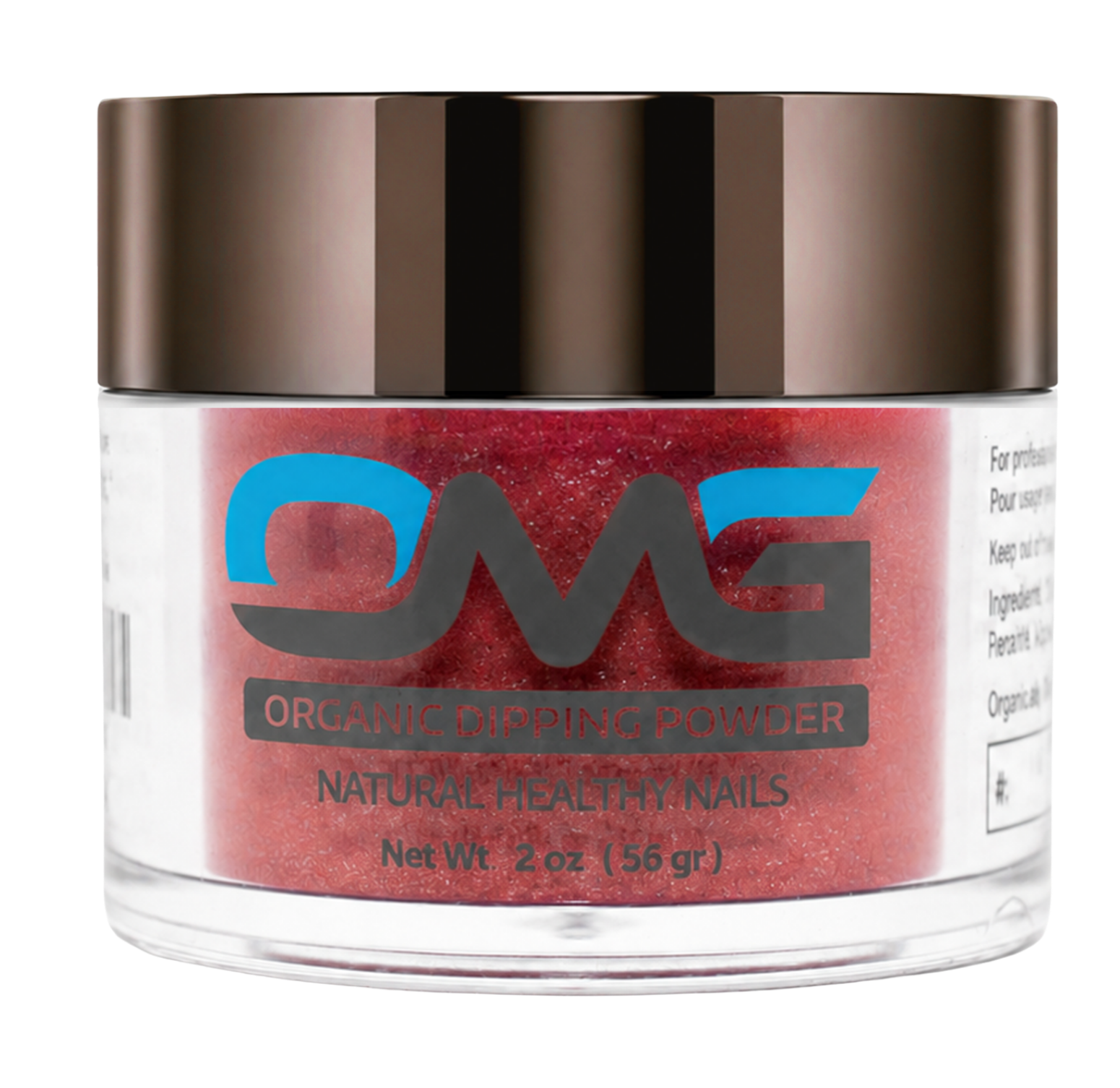
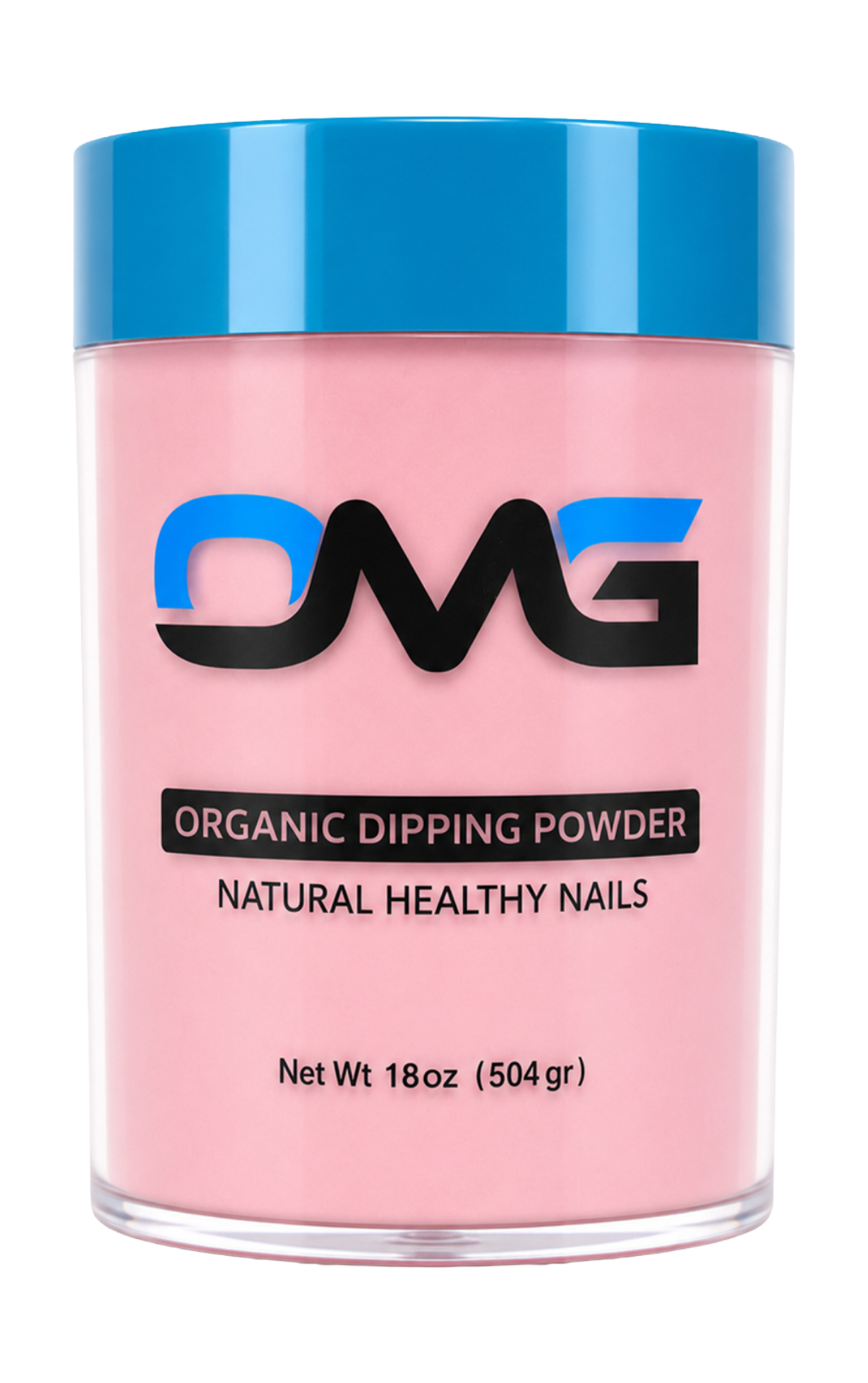
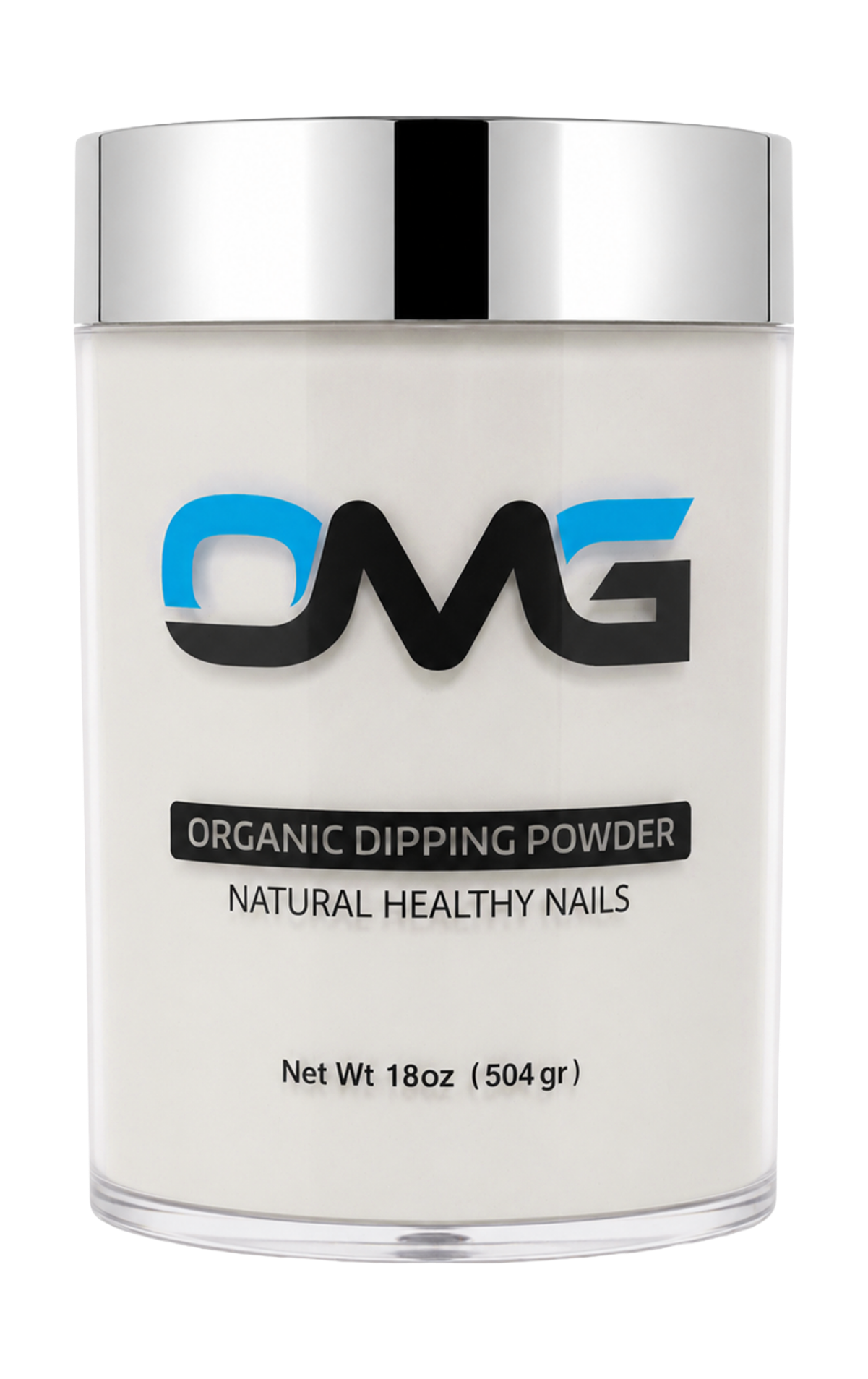
OMG offers a 504g / 18 oz bulk format alongside its smaller 56g / 2 oz D Matching 4-in-1 format.
The key is not to introduce bulk products simply because they are available. Introduce them when purchasing patterns justify larger-volume supply.
Why Shade Matching Makes Reordering Easier
One of the biggest challenges in managing a broad nail product range is keeping track of colour across different product formats.
If a salon likes a particular shade, it should ideally be able to identify that shade again when it needs another product or a refill.
Shade matching can simplify that process.
OMG's wholesale offering highlights shade-matched products across dip, acrylic, and gel, allowing professional accounts to reorder colours rather than learning a completely different system for each product category.
For distributors, this can also make product organization easier.
Instead of thinking only in terms of individual SKUs, businesses can think in terms of colour families and product formats.
That can create a more logical structure for both inventory and customer purchasing.
When Should You Introduce Bulk Formats?
Bulk supply is most useful when demand has already been established.
For example, if a salon repeatedly purchases the same colour or product, moving into a larger format may make operational sense.
A simple approach is:
- Step 1: Introduce the standard format.
- Step 2: Track customer demand.
- Step 3: Identify repeat-use products and shades.
- Step 4: Introduce larger-volume formats where appropriate.
- Step 5: Continue replenishment based on actual demand.
OMG's wholesale information specifically connects its 504g bulk format with the same colour as the 2 oz format, supporting the concept of using larger formats for refill purchasing.
Expand Your Range Based on Account Demand
A common mistake in wholesale purchasing is expanding inventory simply because more products are available.
Instead, range expansion should be connected to customer demand.
Look at:
- Frequently reordered shades
- Products requested by multiple accounts
- Categories with growing demand
- Products that complement existing purchases
- Products that customers repeatedly ask about
- Opportunities for larger-volume purchasing
This creates a demand-led product range rather than an inventory-heavy catalogue.
Create a Shelf That Can Grow With Your Customers
A professional product range should have room to expand.
A customer may begin with a small assortment but gradually require more shades, more formats, and larger quantities.
That means your wholesale range should be capable of moving through different stages:
Stage 1: Core Range
Introduce essential products and a focused selection of shades.
Stage 2: Range Expansion
Add colours, formats, and complementary products based on customer demand.
Stage 3: Repeat Supply
Make frequently purchased products easy to reorder.
Stage 4: Bulk Supply
Move proven high-demand products into larger-volume formats where appropriate.
This creates a range that grows alongside the customer's business rather than requiring them to change suppliers every time their needs change.
Wholesale Supply vs. One-Time Product Buying
One-time product buying focuses primarily on the immediate order.
Wholesale supply should focus on the complete purchasing cycle.
That means considering:
Assortment → Availability → Reorder → Refill → Scale
A supplier that can support this entire cycle provides greater value to businesses that depend on recurring professional demand.
This is especially important for distributors and salon groups managing multiple accounts, where product consistency and replenishment can directly affect operational efficiency.
Building a Reorder-Driven Nail Product Range
The strongest wholesale ranges are not necessarily the ones with the most products.
They are the ones where customers know:
- What to start with
- What products work together
- Which shades they can reorder
- When to move into larger formats
- How to expand their assortment
A well-structured range makes purchasing easier for both the supplier and the customer.
For businesses looking to develop their own branded range beyond wholesale, OMG also offers private label and OEM options. Its private label program uses established formulas and offers professional shades and branding support, while OEM focuses on products developed to specific formulation requirements.
Conclusion
A successful wholesale nail supply strategy is built around more than the opening order.
Start with a focused core assortment. Build depth across professional categories. Make shade matching easier. Track demand. Introduce bulk formats when purchasing patterns support them. Most importantly, create a clear path from the first order to the next reorder.
When your product range is designed around how professional customers actually purchase, it becomes easier to build lasting accounts and support sustainable business growth.
Build the range. Support the reorder. Scale with demand.
Frequently asked questions
What is wholesale nail supply?
Wholesale nail supply refers to purchasing professional nail products in business quantities for salons, distributors, retailers, or other professional accounts, typically with purchasing structures designed for ongoing supply.
How do I build a wholesale nail product range?
Start with a focused core assortment, then expand based on customer demand, product categories, shade requirements, repeat purchases, and the need for larger-volume formats.
Why are shade-matched nail products useful for reorders?
Shade matching makes it easier for professional accounts to identify and reorder colours across compatible product formats without having to learn an entirely different colour system.
When should salons switch to bulk nail products?
Salons should consider bulk formats when specific products or shades have consistent demand and purchasing larger quantities makes operational sense.
What should a nail distributor consider when choosing products?
A distributor should consider product range, category depth, shade availability, consistency, reorder capability, wholesale support, bulk formats, and the supplier's ability to support future expansion.